
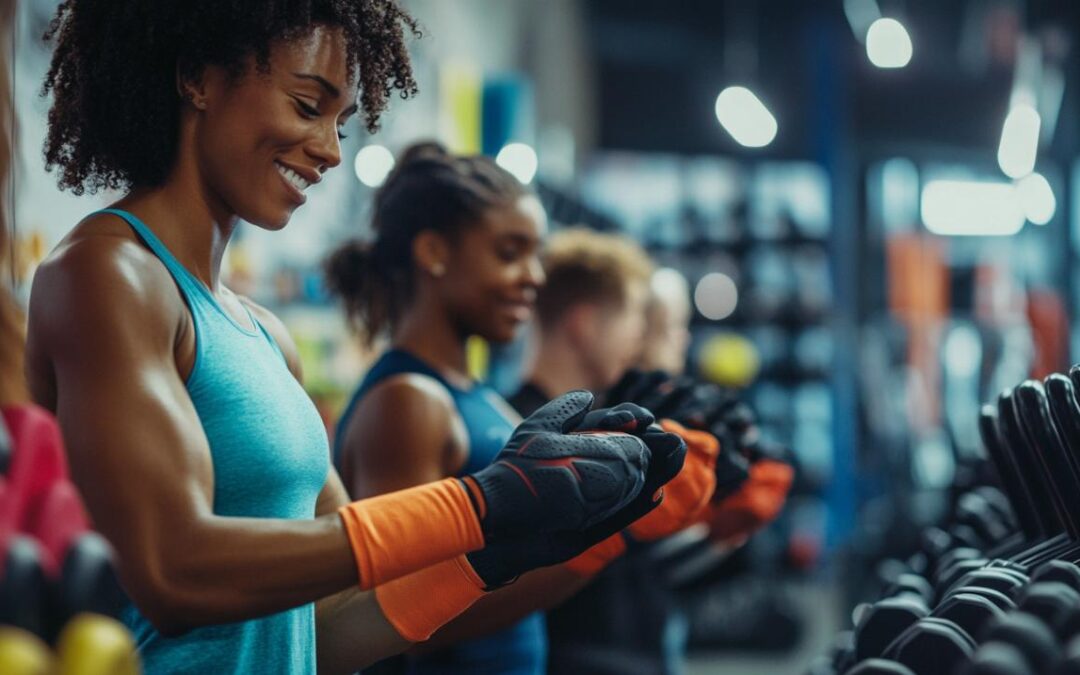
Selecting the proper hand protection for resistance training represents a significant decision that can influence both your comfort and performance in the gym. Whilst some lifters prefer the raw sensation of bare hands gripping cold iron, many fitness enthusiasts discover that a well-chosen pair of gym gloves transforms their training experience by preventing painful blisters, reducing calluses, and providing additional support during challenging movements. The journey to finding suitable hand protection involves considering numerous factors ranging from the specific exercises you perform to the materials that best suit your training style and budget.
Understanding your training requirements and exercise selection
The foundation of selecting appropriate hand protection begins with an honest assessment of your typical training routine. Your exercise selection dramatically influences the features you should prioritise when evaluating different options. Those who focus primarily on heavy compound movements such as deadlifts, bench presses, and barbell rows will have markedly different requirements compared to individuals performing lighter isolation exercises or bodyweight movements. The intensity and frequency of your sessions also play a crucial role in determining which features matter most for your particular circumstances.
Matching Gloves to Your Workout Intensity and Lifting Style
When considering the best weightlifting glove option for your training, understanding how your workout intensity affects your needs proves essential. Lifters engaging in powerlifting or Olympic weightlifting movements typically require more substantial protection and support compared to those performing general fitness routines. The grip demands of pulling exercises differ considerably from pressing movements, and certain designs cater specifically to these variations. CrossFit enthusiasts, for instance, often gravitate towards lightweight, flexible options that accommodate the diverse range of movements their training demands, from kettlebell swings to rope climbs. Meanwhile, traditional bodybuilders might prioritise padding and comfort for high-volume training sessions that involve numerous sets and repetitions across various exercises.
Assessing the Difference Between Heavy Compound Lifts and Isolation Movements
The distinction between compound and isolation exercises significantly impacts your hand protection requirements. Heavy compound lifts such as deadlifts and pull-ups place enormous stress on your grip and palms, necessitating robust protection and potentially wrist support features. These movements benefit from gloves that offer substantial palm protection whilst maintaining sufficient tactile feedback to ensure proper bar positioning. Conversely, isolation movements like bicep curls or lateral raises involve lighter loads and shorter ranges of motion, meaning you might prioritise comfort and breathability over maximum protection. Understanding where your training sits on this spectrum helps narrow down the vast array of options available in today’s fitness accessory market.
Balancing protection with tactile feedback during your sessions
One of the most delicate considerations when selecting hand protection involves striking the proper balance between safeguarding your skin and maintaining adequate sensation. Excessive padding can create a barrier that diminishes your connection to the equipment, potentially compromising your lifting technique and grip strength development. Conversely, insufficient protection leaves you vulnerable to the painful calluses and blisters that can interrupt training consistency and reduce your enthusiasm for gym sessions.
Preventing calluses whilst maintaining proper grip sensitivity
Calluses represent one of the primary motivations for using workout gloves, yet their prevention shouldn’t come at the expense of grip awareness. The challenge lies in finding hand protection that shields your skin from friction and pressure whilst allowing you to feel the bar’s position in your hands. Modern designs incorporate various padding strategies to address this concern, with different materials offering distinct advantages. Gel padding excels at distributing pressure across your palm and absorbing impact, making it particularly beneficial for exercises like pull-ups and chin-ups where your body weight creates significant stress on specific areas. This technology allows for substantial protection without creating the numbing effect that excessively thick padding can produce. Premium gloves from established brands often employ advanced materials that provide both protection and sensitivity, allowing serious lifters to maintain proper form whilst enjoying the benefits of hand protection.
Finding the Sweet Spot Between Comfort and Performance
Comfort and performance need not exist in opposition when selecting appropriate hand protection. The most effective designs recognise that these qualities complement one another when properly implemented. Fingerless gloves have gained popularity precisely because they enhance touch sensitivity and ventilation whilst still protecting the vulnerable areas of your palms. This design allows your fingertips direct contact with equipment, improving your ability to sense bar position and maintain precise control during complex movements. Breathable materials incorporating mesh panels on the back of the hand further enhance comfort by increasing airflow, preventing the accumulation of moisture that can lead to slippage and discomfort during extended training sessions. The integration of features like microfibre construction offers excellent breathability and durability without sacrificing the protective qualities essential for consistent training. Finding this balance requires considering your personal preferences alongside the objective demands of your chosen exercises.
Exploring Materials and Construction Quality for Durability
The materials from which hand protection is crafted fundamentally determine both performance characteristics and longevity. Understanding the properties of different materials empowers you to make an informed decision that aligns with your priorities regarding durability, maintenance requirements, and overall value for money. The spectrum ranges from traditional leather options to modern synthetic alternatives, each offering distinct advantages depending on your specific circumstances and preferences.
Comparing leather versus synthetic options for longevity
Leather gloves represent the traditional choice for serious lifters, prized for their exceptional durability and ability to adapt to the unique contours of your hands over time. High-quality leather construction can deliver over two years of reliable service when properly maintained, developing a personalised fit that synthetic alternatives struggle to replicate. However, leather requires special care including regular cleaning and air drying to prevent deterioration and unpleasant odours. Synthetic gloves constructed from materials such as neoprene, microfibre, and polyurethane offer compelling alternatives that often prove more practical for contemporary lifters. Neoprene provides excellent flexibility and moisture resistance, whilst microfibre delivers outstanding breathability combined with impressive durability. These synthetic options generally accommodate machine washing, simplifying maintenance considerably compared to leather counterparts. Polyurethane represents a budget-friendly synthetic option that delivers adequate performance for recreational lifters, though it typically lacks the longevity of premium materials. The choice between leather and synthetic materials ultimately depends on your willingness to invest time in maintenance versus the convenience of easy-care alternatives.
Evaluating Padding Types and Their Impact on Hand Comfort
The padding integrated into workout gloves serves as the primary barrier between your skin and the equipment, making its quality and design paramount to your training experience. Two predominant padding technologies dominate the market, each with distinct characteristics that suit different applications. Gel padding excels at impact absorption and pressure distribution, creating a cushioning effect that protects your palms during movements involving your full body weight or heavy loads. This sophisticated padding technology maintains its protective qualities over extended periods without the compression issues that affect inferior materials. Foam padding represents the more economical option, providing adequate protection for general gym use and lighter training sessions. Whilst functional for beginners and casual exercisers, foam padding gradually compacts over time, diminishing its protective capabilities and necessitating replacement sooner than gel alternatives. Mid-range brands offer commendable value by incorporating quality padding materials at accessible price points, whilst budget options from retailers like Decathlon provide suitable entry points for those new to resistance training who remain uncertain about their long-term commitment.
Ensuring the Perfect Fit for Maximum Effectiveness
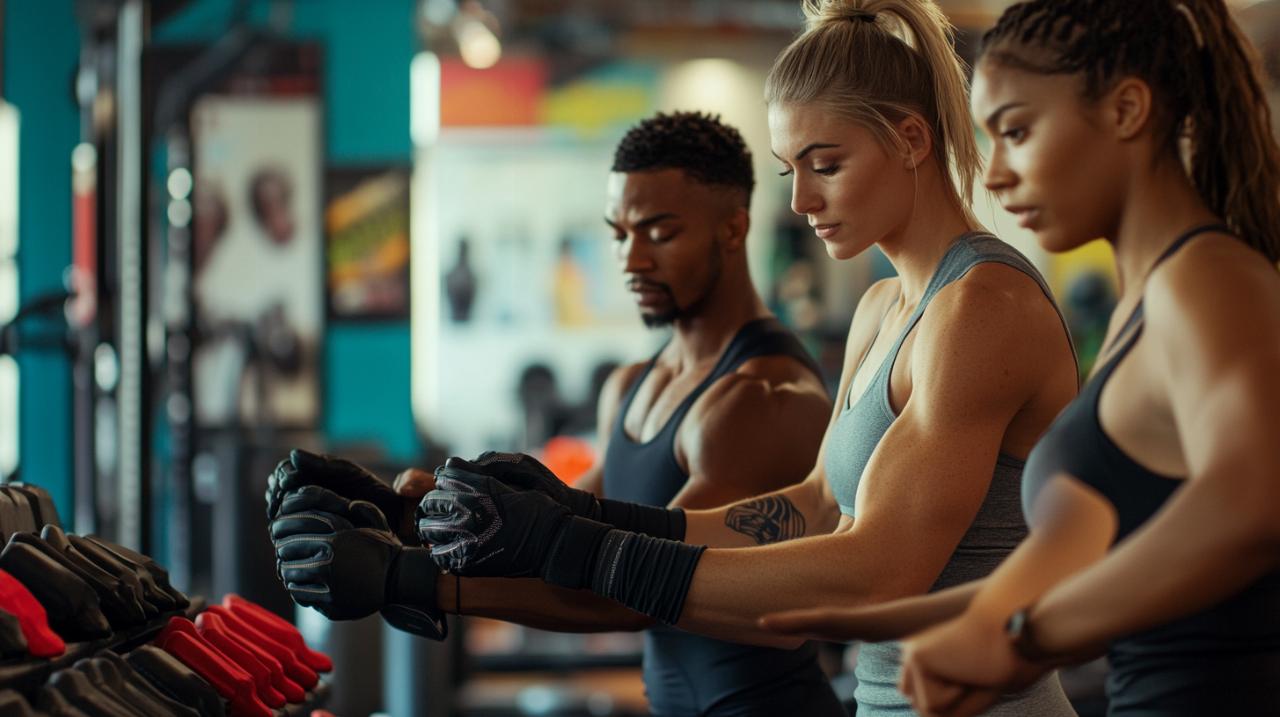
Proper fit represents perhaps the most critical yet frequently overlooked aspect of selecting hand protection. Gloves that fit incorrectly compromise both safety and performance regardless of their material quality or padding technology. Understanding how to assess fit accurately prevents the frustration and potential hazards associated with ill-fitting equipment that bunches, slides, or restricts movement during training sessions.
Measuring your hands properly to avoid sizing mistakes
Accurate hand measurement forms the foundation of selecting appropriately sized gloves. Most manufacturers provide sizing charts that correlate hand measurements with their specific sizing systems, yet individual brands may interpret sizing differently. Measuring the circumference of your hand around the knuckles, excluding the thumb, provides the primary dimension manufacturers use to determine sizing. Additionally, finger length influences comfort and functionality, particularly with fingerless designs where the transition point between covered palm and exposed fingers must align correctly with your anatomy. Many lifters discover that sizing runs inconsistently across different brands, with some designs trending smaller or larger than standard measurements suggest. Reading customer reviews specifically addressing sizing accuracy helps anticipate these variations before committing to a purchase. Remember that gloves should fit snugly without creating uncomfortable pressure points or restricting blood flow, whilst allowing sufficient freedom of movement to maintain natural hand function throughout your full range of exercises.
Understanding how proper fit affects both safety and performance
The consequences of improper fit extend beyond mere discomfort, potentially compromising your safety and hindering your training progress. Gloves that fit too loosely create excess material that bunches in your palms, interfering with grip security and potentially causing the bar to shift unexpectedly during lifts. This instability increases injury risk whilst undermining your confidence in handling challenging loads. Conversely, excessively tight gloves restrict circulation and natural hand movement, leading to premature fatigue and reduced grip strength as your session progresses. The ideal fit creates a second-skin sensation where you remain aware of the gloves’ presence without experiencing restriction or excess material interfering with your movements. Proper fit also ensures that features like wrist support function as designed, with closures positioned correctly to deliver their intended benefits. Taking time to verify fit before committing to regular use protects your investment whilst ensuring that your hand protection enhances rather than hinders your training efforts.
Considering wrist support features for enhanced stability
Wrist support represents a valuable feature that extends the functionality of basic hand protection, providing additional stability during demanding lifts. Understanding when this feature proves beneficial versus unnecessary helps you avoid paying for capabilities you won’t utilise whilst ensuring adequate support for exercises that genuinely require it.
Identifying when built-in wrist straps are necessary for your lifts
The decision to prioritise wrist support depends primarily on the specific movements that dominate your training routine. Heavy compound lifts, particularly pressing movements and overhead exercises, place considerable stress on wrist joints that can benefit from additional stabilisation. Lifters regularly handling substantial loads in exercises like bench presses, military presses, and heavy rows often appreciate the compression and security that integrated wrist wraps provide. These features typically incorporate Velcro closures that allow quick adjustment between exercises, offering versatility that separate wrist wraps sometimes lack. However, buckle closures deliver superior security for maximum loads, though they require more time to adjust. Those focusing on lighter weights or predominantly isolation movements may find wrist support features unnecessary, potentially preferring the simplified design and often lower cost of basic gloves without this additional component. Lifting straps represent an alternative consideration for exercises like deadlifts where grip fatigue limits performance, allowing you to continue sets beyond the point where grip strength would otherwise force termination.
How wrist support can prevent injury and improve lifting form
Integrated wrist support serves multiple functions beyond merely preventing discomfort during training sessions. Proper wrist positioning proves essential for safe and effective lifting technique across numerous exercises. Wrist wraps help maintain neutral wrist alignment, preventing the hyperextension or excessive flexion that can lead to acute injuries or chronic overuse conditions. This stabilisation allows you to focus on the target muscles rather than compensating for wrist instability, potentially improving both the quality and effectiveness of your training. The compression provided by wrist support features also enhances proprioception, your body’s awareness of joint position, contributing to improved movement control and coordination during complex lifts. For those recovering from previous wrist injuries or managing chronic conditions, this additional support can mean the difference between training comfortably and experiencing pain that limits exercise selection or training frequency. However, excessive reliance on wrist support for exercises that don’t genuinely require it may prevent natural strength development in the supporting structures around your wrists, suggesting a balanced approach where support is employed strategically rather than universally.
Researching user reviews and real-world performance feedback
Theoretical specifications and marketing claims provide limited insight compared to the practical experiences of fellow lifters who have tested products under genuine training conditions. Dedicating time to researching user feedback helps identify potential issues and confirms advertised benefits before you invest in hand protection that may or may not meet your expectations.
What to Look for in Customer Reviews When Choosing Your Gloves
Effective review analysis extends beyond simply noting average star ratings, requiring critical evaluation of the specific feedback patterns that emerge across multiple user experiences. Sizing accuracy represents one of the most valuable insights customer reviews provide, as direct user testimony often reveals whether particular models run large, small, or true to size relative to standard measurements. Comments regarding durability offer crucial information about real-world longevity, helping you distinguish between products that merely appear robust and those that genuinely withstand the rigours of consistent training over extended periods. Reviews discussing specific exercises or training styles help identify which products perform well for activities similar to your own routine, as gloves excelling for bodyweight exercises may prove less suitable for heavy barbell work. Pay particular attention to feedback regarding comfort during extended sessions, as initial impressions during brief trials often differ substantially from experiences after hour-long training blocks. User comments about maintenance requirements and how products respond to regular washing provide practical insights rarely addressed in official product descriptions, helping you anticipate the ongoing care your chosen gloves will require.
Comparing Popular Brands and Models Based on User Experiences
The marketplace offers numerous options spanning various price points and feature sets, each claiming superiority through marketing messaging that can obscure meaningful differences. Expert testing and user experiences reveal that certain models consistently deliver exceptional value within their respective categories. Budget-conscious lifters often discover that economical options around ten to fifteen pounds provide surprising functionality for general gym use, proving entirely adequate for those uncertain about their commitment to regular training or working within tight financial constraints. Mid-range offerings frequently represent the optimal balance between quality and affordability, incorporating durable materials and thoughtful design features without the premium pricing that flagship products command. These options typically last from six months to a year with regular use, offering respectable longevity that justifies their moderate cost. Premium products from established manufacturers employ advanced materials and construction techniques that deliver enhanced protection and sensitivity, appealing to serious lifters who demand the highest performance and are willing to invest accordingly. These top-tier options can provide over two years of service when properly maintained, potentially offering superior long-term value despite their elevated initial cost. Comparing specific models reveals that specialised designs like those optimised for CrossFit prioritise flexibility and light weight, whilst heavy-duty constructions favour maximum durability and protection for powerlifting applications. Understanding these distinctions helps match products to your specific requirements rather than simply selecting the most expensive or popular option without consideration of whether its strengths align with your training style.