
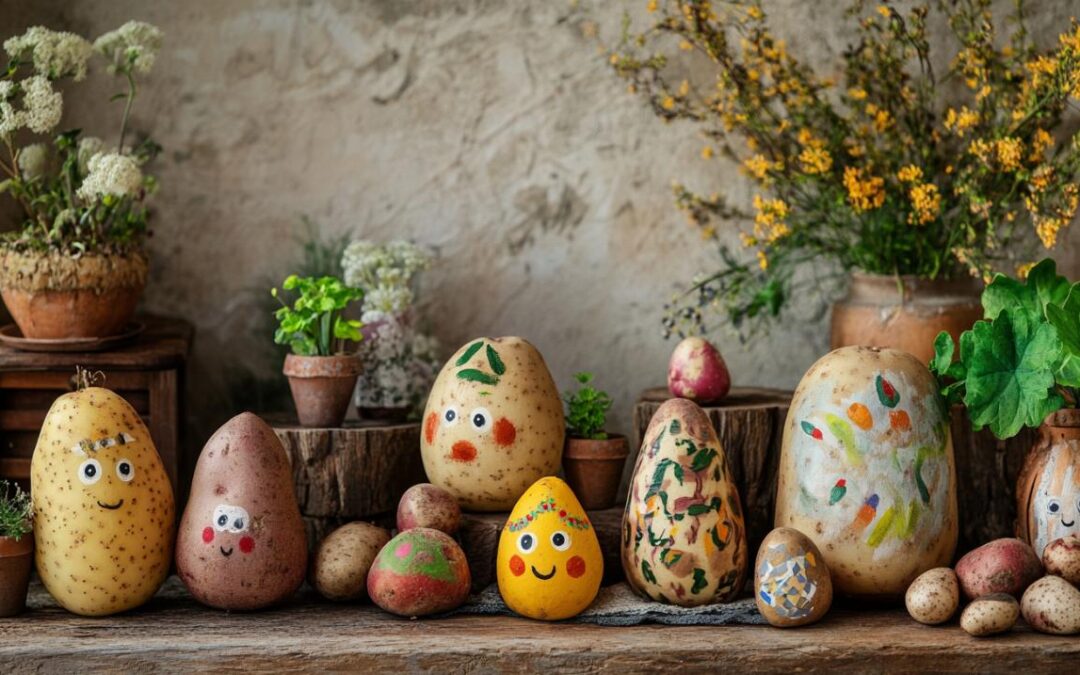
When one thinks of potatoes, the mind typically wanders to comforting dishes served across dinner tables throughout Britain. However, these humble tubers possess an unexpected versatility that extends far beyond the culinary realm. From engaging children's activities to eco-conscious home décor solutions, potatoes offer a remarkable array of creative possibilities that are both budget-friendly and environmentally sound. This guide explores how ordinary spuds can transform into extraordinary crafting materials, proving that with a bit of imagination, even the most commonplace vegetables can inspire artistic expression.
Potato stamping: a traditional craft technique
Potato stamping stands as one of the most accessible and rewarding craft techniques available to families and creative individuals alike. This time-honoured method has been passed down through generations, offering a simple yet effective way to create beautiful patterns and designs. The appeal lies in its simplicity: all that's required is a potato, a sharp knife, some paint, and a surface to decorate. What makes this craft particularly special is its ability to bridge age gaps, making it equally enjoyable for young children discovering their artistic abilities and adults seeking a mindful, hands-on creative outlet. The tactile nature of carving and printing provides a satisfying sensory experience that digital activities simply cannot replicate. For families looking to spend quality time together on dreary afternoons, potato stamping presents an ideal solution that combines creativity with education, teaching children about patterns, colours, and the joy of making something with their own hands.
Carving your potato stamps for unique designs
Creating potato stamps begins with selecting the right spud for your project. Larger potatoes with smooth, firm flesh work best, as they provide ample surface area for carving and maintain their shape throughout multiple printings. The process starts by cutting the potato cleanly in half, creating a flat surface that will hold your design. For those new to this craft, simple shapes such as stars, hearts, or basic geometric patterns offer an excellent starting point. More experienced crafters might attempt intricate designs including seasonal motifs like autumn leaves, Easter eggs, or festive Christmas patterns. The carving technique itself requires patience and a steady hand. Using a sharp knife or specialised carving tools, carefully remove the potato flesh surrounding your desired design, leaving the pattern raised by approximately half a centimetre. This raised portion will hold the paint and transfer your design onto your chosen surface. For themed occasions such as St Patrick's Day, consider carving shamrocks or leprechaun hats, whilst spring celebrations might inspire butterfly or flower designs. The wrinkle potato blog enthusiasts have documented countless variations, demonstrating how this simple technique can be adapted for virtually any occasion or aesthetic preference.
Printing on Different Surfaces with Potato Stamps
Once your stamps are carved and ready, the real magic begins with the printing process itself. The beauty of potato stamping lies in its adaptability to various surfaces and materials. Fabric proves to be an excellent canvas for potato prints, particularly when using fabric paint or acrylic paints mixed with a textile medium. Plain tea towels transform into personalised kitchen textiles that make thoughtful Christmas gifts for family and friends. Cotton tote bags become unique accessories adorned with patterns that reflect your personal style or commemorate special occasions. Paper crafts benefit enormously from potato stamping as well. Greeting cards take on a handmade charm that shop-bought versions simply cannot match, whilst wrapping paper customised with potato prints adds a personal touch to gift giving. For the more adventurous, walls themselves can serve as canvases for potato-printed borders or accent patterns, creating a rustic, artisanal feel in any room. The key to successful printing lies in paint consistency and application technique. The paint should be thick enough to adhere to the potato surface without running, yet fluid enough to transfer cleanly onto your chosen material. A foam brush or roller works beautifully for applying paint evenly across the carved surface. Press the stamp firmly but gently onto your surface, being careful not to twist or slide the potato, which would smudge the design. Children particularly enjoy experimenting with colour combinations and overlapping patterns, discovering how different hues interact and create unexpected visual effects.
Eco-friendly home décor with potato starch
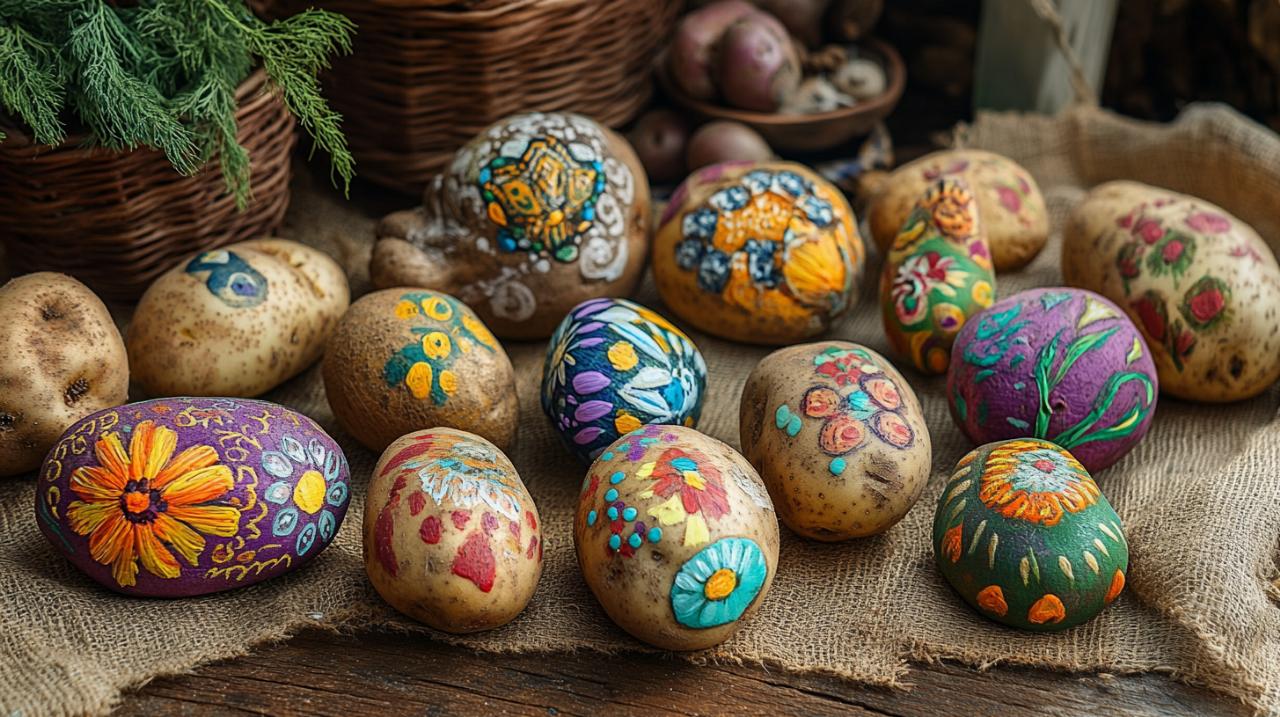
Beyond stamping, potatoes offer another dimension of crafting potential through their starch content. In an era increasingly focused on sustainability and reducing reliance on synthetic materials, potato-based solutions present an environmentally responsible alternative for various home décor projects. Extracting and utilising potato starch connects us to traditional methods that our ancestors employed long before modern adhesives and synthetic materials dominated the market. This approach not only reduces environmental impact but also eliminates exposure to potentially harmful chemicals often found in commercial crafting supplies. The process of working with natural materials encourages a deeper appreciation for resourcefulness and sustainability, values that resonate strongly with contemporary eco-conscious consumers.
Making natural adhesive from potato starch
Creating adhesive from potato starch represents a brilliantly simple yet effective technique that has served craftspeople for centuries. The process begins with extracting starch from raw potatoes, which can be accomplished through grating and straining, though potato starch flour purchased from shops offers a more convenient alternative for those seeking immediate results. To prepare the adhesive, combine potato starch with cold water to create a smooth paste, then gradually heat the mixture whilst stirring constantly. As the temperature rises, the starch granules absorb water and swell, transforming the liquid into a thick, translucent gel. This natural glue proves surprisingly strong and versatile, suitable for bonding paper, lightweight fabrics, and other porous materials. Unlike synthetic adhesives that emit volatile organic compounds, potato starch paste remains completely safe for use around children and pets. The adhesive dries clear and relatively quickly, though it lacks the permanent waterproof qualities of modern chemical glues. This makes it perfect for temporary installations or projects where reversibility might be desired. Historical bookbinders and papermakers relied heavily on starch-based adhesives, and their continued use by conservation professionals today speaks to their effectiveness and archival qualities. For contemporary crafters, this traditional method offers a satisfying connection to historical techniques whilst supporting environmentally conscious creative practices.
Using potatoes in paper mache projects
Paper mache represents another craft tradition that benefits enormously from potato-based adhesives. This sculptural technique, which involves layering paper strips bound with paste over a form or armature, has entertained and challenged artists for generations. When potato starch paste serves as the binding agent, the entire process becomes more environmentally friendly and accessible to families with young children. The paste's natural composition means that even if little ones get it on their hands or clothes, cleanup requires only water rather than harsh solvents. Creating paper mache projects with potato paste follows the traditional method: tear newspaper or other lightweight paper into strips, dip each piece into the potato starch adhesive, and layer them over your chosen form. Balloons make excellent bases for masks or decorative bowls, whilst wire frames can support more complex sculptures. Mr Potato Head inspired creations prove particularly popular with children, allowing them to design their own quirky characters. The beauty of paper mache lies in its forgiving nature; additional layers can always be added to strengthen weak areas or refine shapes. Once dried, the hardened structure accepts paint beautifully, opening up endless decorative possibilities. From seasonal decorations to functional items like storage boxes, potato-paste paper mache offers a sustainable crafting option that produces surprisingly durable results. The technique also serves educational purposes, teaching children about sculptural concepts, patience, and the transformation of simple materials into finished artworks. Growing potatoes in containers or homemade crates creates opportunities to connect crafting with gardening, demonstrating the full lifecycle from planting to harvest to creative reuse.