

Every workplace that handles chemicals, dust, fumes, or biological agents has a legal obligation to protect its workforce. In the United Kingdom, this obligation is formalised through a set of regulations that form the backbone of occupational health and chemical safety. Understanding these rules is not merely a box-ticking exercise — it is a genuine commitment to the wellbeing of every person who walks through your workplace doors.
The essentials
- The Control of Substances Hazardous to Health (COSHH) regulations mandate that UK employers protect staff from risks related to chemicals, dust, fumes, and biological agents.
- Non-compliance with COSHH can result in severe legal penalties, significant financial fines, and long-term health damage to employees.
- Employers must perform a comprehensive risk assessment before using any hazardous substance, identifying potential exposure routes including inhalation, ingestion, and skin contact.
- The hierarchy of control prioritizes eliminating or substituting hazardous substances before relying on engineering controls or personal protective equipment (PPE).
- Effective risk management requires regular reviews of safety measures, proper maintenance of equipment, and mandatory employee training to foster a safe working culture.
- Suppliers are obligated to provide safety data sheets, which serve as a critical resource for employers to evaluate substance-related risks accurately.
What Are COSHH Regulations and Why Do They Matter for Your Business?
COSHH, which stands for the Control of Substances Hazardous to Health Regulations 2002, is UK law that mandates employers to safeguard workers from health risks arising from hazardous substances. These substances are broadly defined and include commercial chemicals such as glues, paints, and cleaning agents, as well as dust, vapours, gases, fumes generated by work processes, and biological agents. If a commercial chemical product carries a warning label, that is a reliable indicator that COSHH is relevant. The regulations apply across England, Scotland, and Wales, covering all employers who handle hazardous substances — including sole traders with employees and self-employed individuals.
The importance of compliance cannot be overstated. Non-compliance can lead to improvement or prohibition notices, prosecutions, and potentially significant fines. Beyond the legal and financial consequences, workplace illnesses resulting from chemical exposure can cause lasting harm to employees, leading to conditions such as respiratory illness, skin irritation, eye damage, occupational asthma, and in serious cases, long-term organ damage or worse. The human cost alone makes this a matter every responsible employer must take seriously.
The Legal Framework Behind COSHH and Your Duty of Care
The Health and Safety Executive is the governing body overseeing COSHH in the UK, and it outlines a set of fundamental principles for managing chemical risks in the workplace. These principles provide a structured approach to identifying hazards, implementing controls, and protecting workers at every level. Employers have a clear duty of care that extends beyond simply providing personal protective equipment — it encompasses a thorough understanding of the substances present, the risks they pose, and the most effective means of controlling those risks.
How coshh protects employees from hazardous substances
The breadth of COSHH is significant. It covers the identification, risk assessment, control, monitoring, and workplace health surveillance of hazardous substances. Health risks can range from immediate effects such as coughing, skin redness, eye irritation, and headaches, to longer-term outcomes including carcinogenic effects and reproductive toxicity. By establishing a framework for managing these risks, COSHH creates safer working environments where employees can carry out their roles with confidence.
How to Implement Effective COSHH Risk Assessments in Your Workplace

A COSHH risk assessment must be completed before any hazardous substance is used in the workplace. This is not simply a formality — it is a structured process that forms the foundation of your entire approach to workplace safety. The assessment should identify every hazardous substance present, review the relevant safety data sheets, and evaluate the realistic exposure risks faced by employees during their day-to-day activities.
Identifying and Evaluating Hazardous Substances in Your Operations
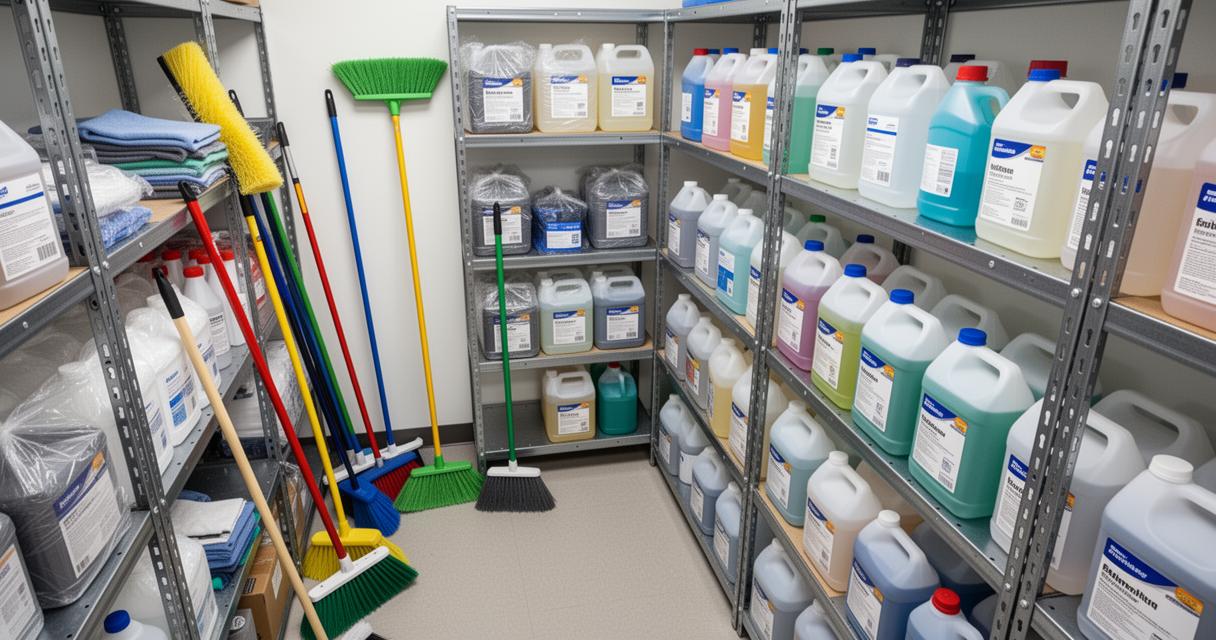
A practical starting point for any business is to list all hazardous substances used on site, then gather the corresponding safety data sheets from suppliers, who are obligated to provide these documents. It is essential to consider all routes of exposure during the assessment process, not just inhalation, but also skin contact and ingestion. Substance identification must be thorough — naturally occurring materials such as grain dust, as well as manufactured chemicals, fall within scope. Some substances, such as asbestos and lead, are governed by separate specific legislation, though COSHH assessments for chemical risks still apply.
Creating control measures and safe working procedures
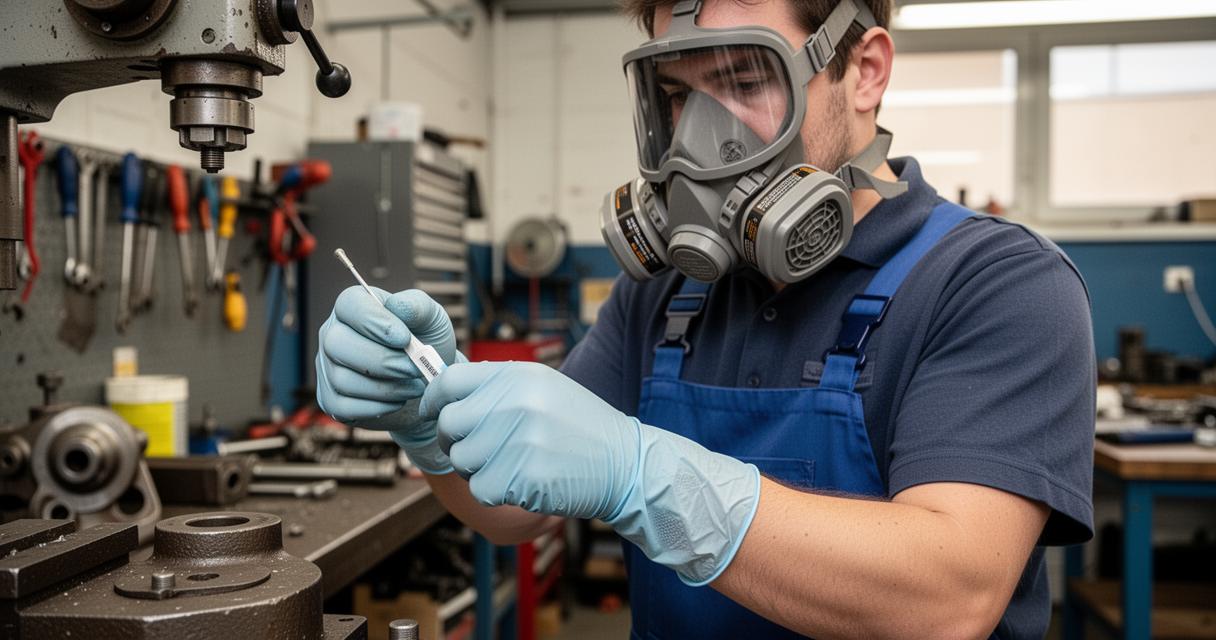
Once risks have been identified and evaluated, the focus shifts to implementing effective control measures. The hierarchy of control is the guiding principle here, prioritising elimination of the substance at source, followed by substitution with a less hazardous alternative, then engineering controls such as ventilation or enclosure, before relying on personal protective equipment. PPE — which may include gloves, respiratory protection, eye protection, and protective clothing — should be considered a last resort rather than a first line of defence, and must be properly fitted and maintained when used.
It is also worth noting that some control measures can introduce new risks of their own, such as fire hazards from enclosures or poor ventilation from sealed areas. Regular reviews and inspections are therefore essential to verify that controls remain effective over time. Employee training plays a vital role in this process; staff must understand the hazards they face, the controls in place, and the emergency procedures to follow should something go wrong. Refresher training is recommended every one to three years, or whenever new substances are introduced. Keeping your team informed and competent is one of the most effective ways to build a strong safety culture and maintain ongoing regulatory requirements compliance.